
Note: Prevention is the most effective strategy in managing invasive species. However, hundreds of invasive plants and animals have already established in California and are rapidly spreading each year. These invaders are negatively impacting our waters, our native plants and animals (some of them rare, threatened, or endangered), our agriculture, our health, our economy, and our favorite recreational places. Help us celebrate California's Invasive Species Action Week, and more importantly, help stop the spread of invasive species, by volunteering to take action.
June 2, 2018 - The fifth annual California Invasive Species Action Week is scheduled Saturday, June 2, through Sunday, June 10. Action Week is a statewide event that promotes public participation in the fight against invasive species that harm our 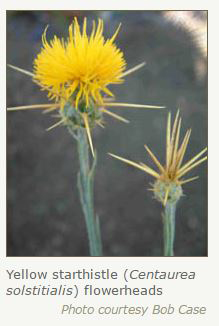 environment, agriculture and native species.
Numerous state agencies, non-profit organizations and other organizations across the state are teaming up to host events this year. Opportunities include educational booths in Humboldt County, online webinars, invasive species removals in the Delta and the San Francisco Bay, and trapping crayfish in the Santa Monica Mountains. To view the schedule of events and a map compiled by the California Department of Fish and Wildlife (CDFW), please visit www.wildlife.ca.gov/CISAW.
Citizens can also stop the spread of invasive species year-round. People can contribute to a healthy environment by taking small, everyday actions that include cleaning, draining and drying boating gear after use, selecting native plants for landscaping, not releasing unwanted pets into the wild and reporting invasive species findings.
Members of the public are encouraged to help CDFW biologists monitor and prevent the spread of existing invasive species populations. For example, please visit the CDFW Nutria Discovery webpage to learn how you can help CDFW eradicate this destructive South American rodent from California’s wetlands.
For more information about Action Week, please contact invasives@wildlife.ca.gov.
Source: CDFW