
 March 4, 2019 - By Brian David (U.C. Master Gardener, Mariposa) - How are you at growing plants in containers? From Dixy Cups to fifty-gallon barrels a container’s size and material composition makes container gardening different from nurturing plants in the earth. Clay pots are porous, plastic is impermeable. A plant’s nutrients, air flow and water need attention in any type or sized container.
Container gardening allows for a broad spectrum of plant life. Container mobility enables a grower to change plant environments, indoors and out. Container plants range from Tillandsias, or air plants (no soil needed, just air and moisture) to Nymphaeas or water lilies (aquatic submersed plants).
In Merced, U.C. Master Gardeners’ gave the “Happy, Healthy Container Gardening Presentation,” February 09, 2019. Evidence based procedures and processes were backed by container gardening experience specific to Merced County.
Pat Shay demonstrated container planting arrangements. Pat’s presentation notes and links are available at, bit.ly/phgardening. Any container needs the minimum of one drainage hole covered with a piece of fine wire or nylon cloth. Without proper drainage water usually pools, drowning the plant’s roots. Overwatering is the primary cause of death for container plants.
To determine your soil’s moisture, place your finger in the soil up to your knuckle. If the soil is sticking to your finger your water content is usually sufficient. If there is sparse dry soil hardly clinging below your knuckle you should water your plant. A technical way to test your container plant’s water needs is to use a moisture meter.
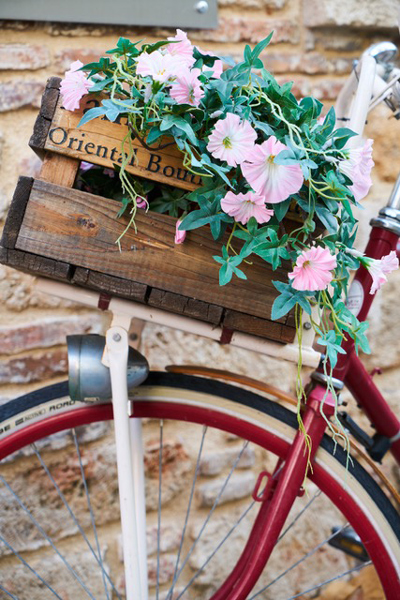 The smaller and more porous a container the more water your plant will need. Hot or windy conditions warrant checking moisture content daily. Two ways to protect your plants from dehydrating through California’s long hot dry season are, (1) to insulate your container by double potting (2) to keep containers off hot reflective surfaces.
Potted plants have limited nutrients available, so they need amendments supplied every 60-180 days. Most potting soil mixes provide a few months’ worth of nutrients. Nicolai Laquaglia emphasized container soil cannot regenerate so needs regular feeding and occasional changing. “. . . You want a porous, sterile potting soil that allows water and air to reach the roots of the plants.”
To make your own potting soil mix in an aggregate, like vermiculite (expanded mica/ fool’s gold), perlite (popped lava pebbles), or crushed lava rock with a sphagnum moss, peat moss or coir (shredded coconut shell) amended with compost then supplement feeding with a fertilizer like worm castings.
A simple potting soil recipe is to combine equal parts of water-soaked sphagnum-moss, peat-moss or coir, with perlite or vermiculite, crushed lava rock, and compost or garden soil. A general-purpose potting soil can be used in place of coir or peat-moss. Other amendments container plants may need include: bone meal, blood meal and feather meal. Only apply amendments to hydrated plants. Nutrients in your container soil break down and need to be amended or changed. As plants mature check for over extended or bound roots which may require a larger container.
Jay Hawkes demonstrated a healthy container-grown citrus tree. Jay encouraged planting berries and vegetables in pots saying that with attention these container plants may be as productive as plants in the earth. Before planting in a pre-used container be sure the container is sterilized. After removing all the soil, soak the container in nine parts water to one-part chlorine for one hour to eliminate potential contaminates. Container plants depend on gardeners for survival.
Use these Master Gardener tips and see how your container garden grows.
The U.C. Master Gardener Helpline is staffed; Thursdays from 2:00 p.m. - 5:00 p.m.
Serving Mariposa County, including Greeley Hill, Coulterville and Lake Don Pedro
Please contact the helpline, or leave a message by phone at: (209) 966-7078
By email (send photos and questions for researched answers) to: mgmariposa@ucdavis.edu
For further gardening information and event announcements, please visit: UCMG website: http://cemariposa.ucanr.edu/Master_Gardener
Follow us on Facebook at: https://www.facebook.com/mariposamastergardeners
Master Gardener Office Location:
UC Cooperative Extension Office,
5009 Fairgrounds Road
Mariposa, CA 95338
Phone: (209) 966-2417
Email: mgmariposa@ucdavis.edu
Website: http://cemariposa.ucanr.edu/Master_Gardener