
September 26, 2026 - SACRAMENTO — This week, the California Air Resources Board (CARB) adopted amendments to the state’s gasoline regulations 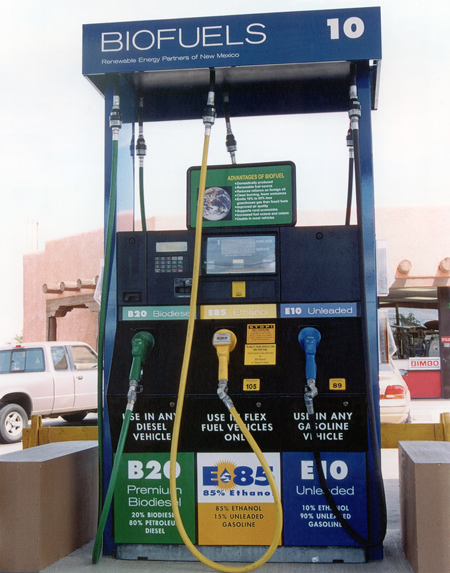 to support the availability and use of E15 fuel in California. The move supports expanding consumer fuel choices following Governor Newsom’s direction to prioritize the rulemaking.
E15 is a vehicle fuel that is a blend of up to 15% ethanol, a low-carbon alternative fuel. Previous California rules allowed up to 10% ethanol which is the current standard at stations today. E15 is legal in 50 states and available in 36 states.
Thursday’s vote provides further certainty to fuel producers and providers interested in selling E15 in California. The decision follows Governor Newsom’s signing of Senate Bill 795 (Archuleta) this week to accelerate the approval process for E15 dispenser components while also maintaining public health protections.
How we got here
In October 2025, Governor Newsom signed Assembly Bill 30, allowing E15 to be sold in California while CARB finalized the rules adopted today. E15 was the subject of a detailed scientific evaluation to ensure its use will not result in adverse impacts to public health or the environment.
The assessment found E15’s impacts to be comparable to E10, with a potential for slight improvement in air quality.
Overall, the evaluation determined that the primary health and environmental concerns associated with the gasoline blend come from petroleum portion of the fuel.
What Californians should know
E15 will continue to be authorized for sale in California at gas stations. State law requires dispensers to be clearly labeled, and consumers should consult their owner's manual to determine whether the fuel is compatible with their vehicle.
Availability of E15 helps increase the number of choices consumers have at the pump and could help reduce gas prices. Ultimately fuel providers set the price of gasoline and decide which fuels to sell.
CARB's mission is to promote and protect public health, welfare, and ecological resources through effective reduction of air pollutants while recognizing and considering effects on the economy. CARB is the lead agency for climate change programs and oversees all air pollution control efforts in California to attain and maintain health-based air quality standards.
Source: CARB