


March 6, 2025 – Yosemite National Park officials showcase seven species and share some unique facts about the inhabitants.
Did you know that Yosemite National Park is home to more than 400 species of animals? Here, fish dart through sparkling river waters, reptiles bask on sun warmed rocks, amphibians leap through marshy ponds, and mammals roam the valley meadows as birds soar above towering granite cliffs.
Enjoy Yosemite’s unique wildlife with our "Seven Species Showcase" with some unique animal facts.
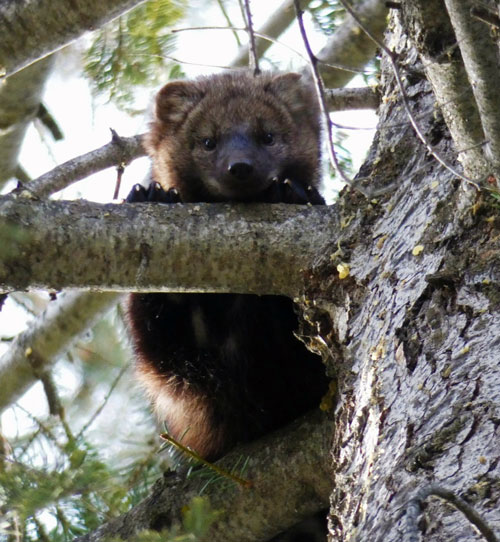
Pacific fisher (Pekania pennanti)
Fishers are tree-dwelling carnivores that were once abundant throughout northern California until they were hunted to near extinction for their pelts. They are very agile and have specialized hind legs with feet that turn nearly backwards, giving them the ability to climb down trees headfirst.
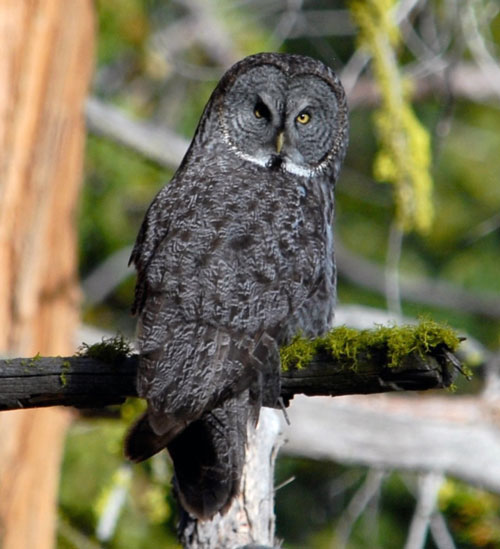
Yosemite great gray owl (Strix nebulosa Yosemitensis)
In 2010, scientists documented this nocturnal raptor as genetically distinct from the great gray owl to the north. Standing as tall as two feet with a five-foot wingspan, there are only about 200-300 individuals in California, and about 65% of the state’s population resides in Yosemite.
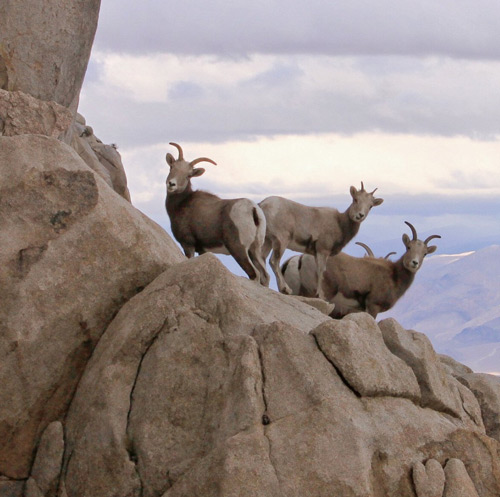
Sierra Nevada bighorn sheep (Ovis canadensis sierrae)
After the population dropped to around 100 animals in 1995, this endangered, unique sub-species of bighorn sheep became the rarest mountain sheep in North America. Bighorns have extremely strong muscles and rubber-like pads at the bottom of the feet, making climbing rock surfaces effortless.
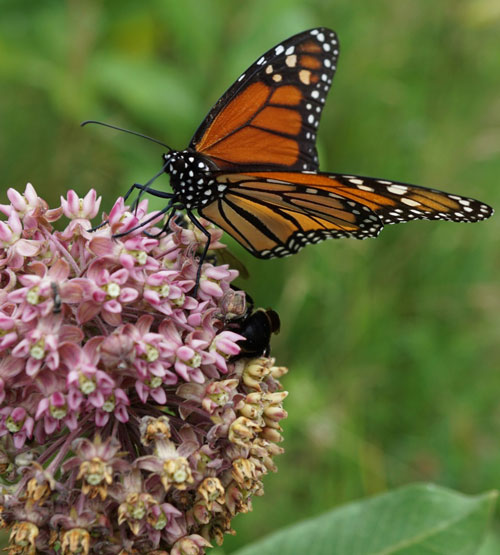
Monarch butterfly (Danaus Plexippus)
This insect can be found under the leaves of milkweed plants undergoing metamorphosis—transforming from egg to caterpillar to cocoon to adult. Delicate but determined, they migrate from Canada to Mexico each year. Yosemite’s blossoming meadows become a great stopping point on their journey.
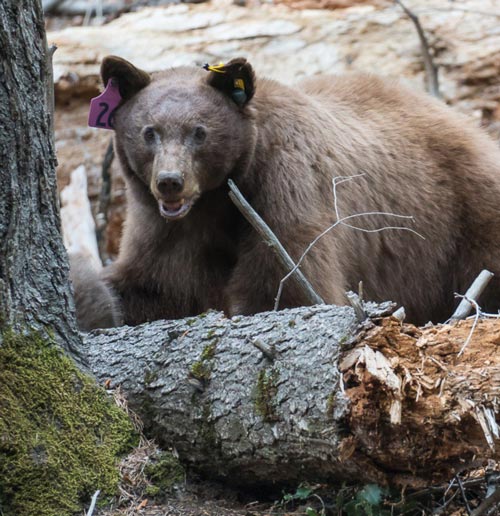
American black bear (Ursus americanus)
Often mistaken for its larger counterpart, the grizzly bear, black bears are the only species of bear living in Yosemite. Despite their name, they can come in many different colors (including brown, cinnamon, and blonde) and can consume up to 20,000 calories a day (equal to a human eating 40 hamburgers.)
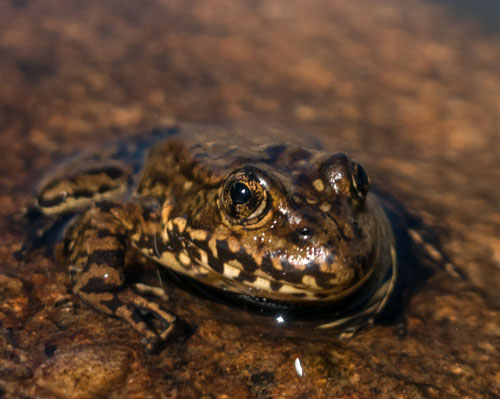
Sierra Nevada yellow-legged frog (Rana sierrae)
Now endangered, these frogs were once the most abundant vertebrate in Yosemite’s high-country lakes, ponds, and meadows. The introduction of fish into naturally fishless waters, pesticides, and fungal disease all contribute to its decline.
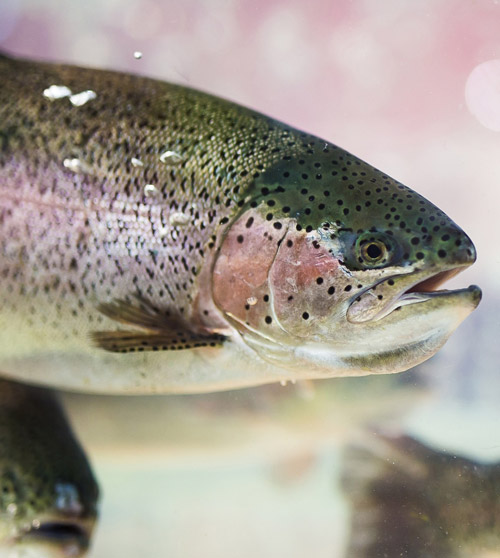
Rainbow trout (Oncorhynchus mykiss)
These fish are native to waters at Yosemite's lower elevations and non-native at higher elevations. Historically, waterfalls prevented fish from migrating upriver. Today, non-native fish (primarily trout) have been introduced throughout the park and have a substantial impact on native species and ecosystems.
Source & photos: NPS
