


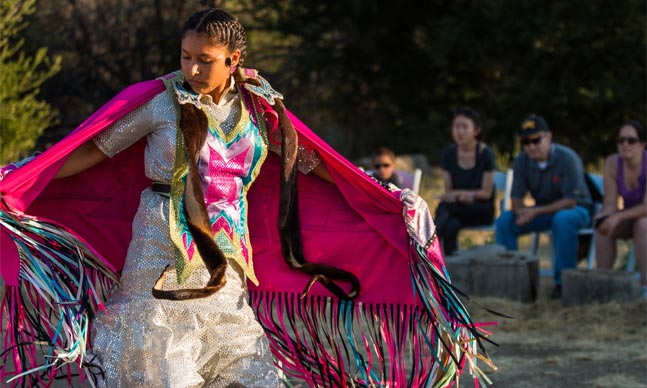
SAMO Dancer Credit: Connar L'Ecuyer/NPS
February 17, 2026 - Today, the American Academy of Pediatrics calls for clinicians and researchers to develop culturally sensitive and collaborative partnerships with members of American Indian and Alaska Native communities to improve child health within a new policy statement.
Related: KFF Health News: End of Enhanced Obamacare Subsidies Puts Tribal Health Lifeline at Risk
In “Considerations in Research With American Indian and Alaska Native Communities Using Community-Engaged Research,” published in the March 2026 Pediatrics (published online Feb. 17), the AAP recognizes the strength and resilience of children and teens from tribal communities despite their serious and ongoing health challenges.The AAP explores community-based participatory research as an avenue to engage with communities that may be cautious because of past harm. There is a history of unethical studies and mistreatment by government and medical institutions among American Indian and Alaska Native communities, and children face high rates of adverse childhood experiences. These concerns are valid and must be taken seriously, according to the statement written by the Committee on Native American Child Health.
Recommendations to clinicians and researchers include understanding and respecting tribal sovereignty and data sovereignty; developing relationships with tribal representatives to understand their health perspectives, resources, and strengths; working with community members to determine their health priorities; and identifying potential risks of participating in research for the community.
Policy statements created by AAP are written by medical experts, reflect the latest evidence in the field, and go through several rounds of peer review before being approved by the AAP Board of Directors and published in Pediatrics.
The American Academy of Pediatrics is an organization of 67,000 primary care pediatricians, pediatric medical subspecialists and pediatric surgical specialists dedicated to the health, safety and well-being of infants, children, adolescents and young adults.
Source: American Academy of Pediatrics
