


UC expert offers tips, reminders after recent HPAI detections in Sutter, Sonoma counties
February 22, 2026 - By Pamela S Kan-Rice - Poultry owners should remain vigilant about protecting their birds because the 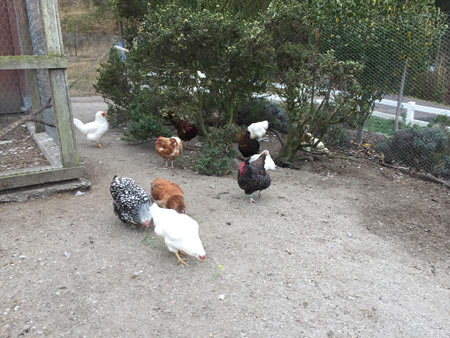 risk of avian influenza can change as quickly as the weather, says a University of California Cooperative Extension poultry specialist.
Detections in recent weeks of the highly pathogenic avian influenza virus in Sutter and Sonoma counties serve as a reminder that bird flu remains a threat. Animal disease emergency responders are working with the flock owners in both cases to mitigate the spread of disease.
"Disease risk is dynamic, influenced by weather, wildlife movement and human activity,” said Maurice Pitesky, UC Cooperative Extension poultry specialist in the School of Veterinary Medicine at UC Davis.
A drop in temperature in one part of California can drive wild waterfowl carrying HPAI influenza virus to migrate to a warmer part of the state. While migratory birds may bring the HPAI virus and move on, resident waterfowl may continue to spread it because the virus lingers in the environment.
Many poultry farms and homes with backyard chickens are located near bodies of water used by migratory birds and even when waterfowl are not present, virus can remain in the water, air and soil, according to Pitesky.
“Plus, climate – precipitation, moisture on the ground, temperature, state of crop development on fields, etc. – dictates waterfowl activity. It’s just a dynamic situation,” Pitesky said.
Bird flu outbreaks often occur three to 10 days after spikes of waterfowl abundance within 2.5 miles of affected farms, so he recommends poultry owners examine conditions outside their property.
“When thinking about protecting our backyard flocks from infectious diseases carried by wildlife, we have a tendency to focus solely on the biosecurity of the coop and the immediate area around the coop,” Pitesky said.
“However, because of diseases like highly pathogenic avian influenza, which are primarily carried by wildlife, we need to also think about understanding potential habitat in our neighborhoods,” Pitesky urged. “For example, if you have a pond that is a couple of blocks from your house, migratory waterfowl such as ducks and geese are likely to roost on the pond and fly over while looking for feeding areas such as lawns and golf courses.”
Pitesky offers some recommendations on the basics of biosecurity for backyard coops on your property and the basics of risk assessment off your property.
Biosecurity tips for backyard poultry: Coop, run and immediate property- Establish barriers (coop walls, doors, wire mesh) to separate poultry from the outside environment at all times.
- Consider using fully enclosed coops with solid roofs to prevent contact with wild birds, droppings, feathers and airborne contaminants.
- If the backyard chickens have outdoor access, design runs covered by netting or roofing.
- Install hardware cloth (¼–½ inch mesh) on all openings to exclude small birds, rodents and mammals.
- Prevent poultry access to open water sources such as puddles, ditches, ponds or seasonal water accumulation.
- Provide municipal or well water only; do not use untreated surface water for drinking or cleaning.
- Elevate feeders and waterers to reduce contamination from feces and minimize attraction of rodents and wildlife.
- Store feed in sealed, wildlife-proof containers; never leave feed exposed overnight.
- Clean up spilled feed promptly to avoid attracting rodents, raccoons, skunks or wild birds.
- Implement routine cleaning and disinfection of footwear, tools, feeders and waterers.
- Limit human traffic into the coop area; visitors should not enter poultry areas without clean footwear and clothing.
- Avoid sharing equipment (crates, tools) with other poultry owners unless thoroughly cleaned and disinfected.
- Do not introduce new birds without a quarantine period (minimum 2–4 weeks).
- Immediately isolate sick or dead birds and consult local veterinary or extension services.
- Dispose of carcasses using approved methods that do not expose wildlife.
- Manage waste, manure and bedding so they are inaccessible to wildlife and runoff.
- Evaluate whether backyard poultry are located along major flyways or near stopover habitats.
- Understand that the wildlife-livestock interface (WLI) includes indirect contact through contaminated soil, water, or even air, not just direct contact
- Identify nearby wetlands, ponds, lakes, drainage basins and irrigated fields that attract wild waterfowl and avoid locating poultry coops downhill from wetlands or drainage areas.
- Recognize wild ducks and geese as bridge hosts for avian influenza viruses.
- Identify wildlife species commonly visiting the property perimeter (songbirds, pigeons, rodents, raccoons).
- Note that small wild birds can act as mechanical vectors even if they do not show signs of disease.
- Understand human behaviors that increase risk:
- Visiting parks, wetlands or hunting areas before tending poultry
- Sharing tools or footwear between outdoor activities and poultry care
- Avoid locating poultry coops downhill from wetlands or drainage areas.
- Use simple risk scoring concepts:
- High risk: Nearby open water and frequent waterfowl presence
- Moderate risk: Seasonal wildlife presence without direct access
- Lower risk: Dry environments with minimal wildlife overlap
- Communicate risk clearly to household members and neighbors to ensure consistent behavior.
- Accept that eliminating all wildlife risk is impossible; the goal is risk reduction, not zero risk.
- Using government and other trusted resources to identify HPAI detections in your county
“In the big picture, in a world of HPAI, biosecurity and risk assessments are more complicated and dynamic than the coop,” Pitesky said.
Sick backyard birds can contribute to regional disease so ultimately everything chicken owners do affects not just their own flock but also neighbors’ flocks, livestock, pets, commercial poultry locks, dairy cows and all wildlife in the area.
For more information about keeping poultry safe from disease, visit https://ucanr.edu/site/uc-cooperative-extension-poultry.
Source: UC ANR