

June 10, 2026 - WASHINGTON, D.C. – The U.S. Department of Agriculture’s (USDA) Animal and Plant Health Inspection Service (APHIS), alongside State partners in Texas and New Mexico, continues to lead an aggressive response to New World screwworm (NWS) in the United States.
Related: USDA Confirms First Case of New World Screwworm in a Dog in Lea County, New Mexico, Fourth Case in Texas
USDA’s National Veterinary Services Laboratories confirmed a new case of NWS in a calf in La Salle County, Texas, bringing the total cases of NWS in the United States to six. USDA is working closely with the Texas Animal Health Commission (TAHC) to respond and further investigate the case. The joint federal–state field teams have already expanded surveillance and response measures in the area.
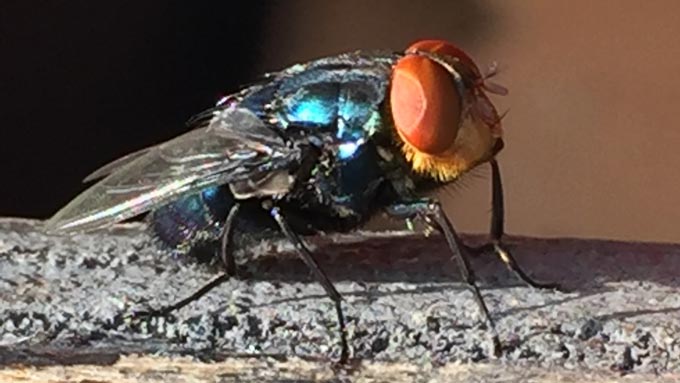
New World screwworm is a parasitic fly that causes severe, potentially fatal infestations by feeding on the living tissue of warmblooded animals. Quick detection, treatment, and reporting are vital to safeguarding livestock, wildlife, and pets.
USDA and TAHC are conducting a coordinated response that includes:
- Joint epidemiological investigations and case tracing
- Additional surveillance, testing, and trapping in the affected areas
- Releasing sterile insects and adjusting these operations as needed for the most effective coverage
- Conducting outreach to animal owners
- Ongoing coordination with local officials, veterinarians, ranchers, and community partners
Guidance for Animal Owners and Veterinarians
The MOST important thing animal owners can do is to know what to look for and how to report suspected cases of NWS. USDA urges everyone in the area to check animals for:
- Draining or enlarging wounds
- Maggots or egg masses
- Signs of discomfort
- Lesions in body openings (nose, ears, genitalia, umbilical area)
Anyone who suspects a screwworm infestation should immediately contact their veterinarian, state animal health official, or USDA. Early reporting is essential to ensure animals receive prompt treatment, so they fully recover.
Though rare in people, anyone who notices a suspicious lesion should seek immediate medical care.
Food Safety
The U.S. food supply remains safe. NWS does not infest meat, fruits, vegetables, or other food products. Any affected animal would be identified during USDA Food Safety and Inspection Service inspection, and no contaminated product would enter commerce.
Additional updates and resources are available at Screwworm.gov.
Source: USDA
