


Image by Alex Csiki from Pixabay
The energy upgrades reduce reliance on foreign oil, save farmers money & ease the strain on electric & natural gas supplies
November 1, 2026 - SAINT PAUL, MN – U.S. Senators Amy Klobuchar and Tina Smith (both D-MN) are pushing the United States Department of Agriculture (USDA) to reverse major changes made to a grant program helping farmers and producers install energy upgrades at their operations. The Rural Energy for America Program (REAP) was the target of a new Trump Administration rule on Oct. 1, making it harder for farmers and producers to pay for expensive energy upgrades without going into major debt.
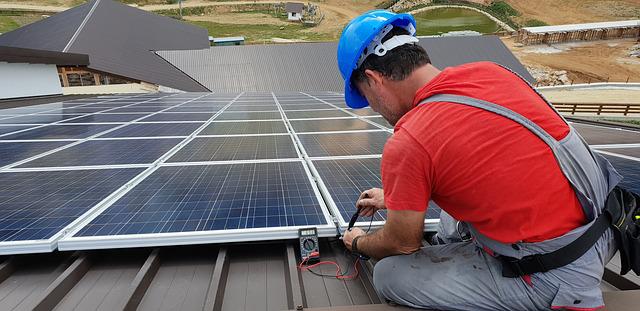
Farmers and producers utilize REAP to pay for energy upgrades like an energy-efficient grain dryer or solar panels to power all the buildings on a farmstead. Previously, the program granted money to farmers and producers upfront, helping them put a down payment on the expensive equipment. Now, farmers won’t be able to apply for the program until their projects have been fully built and are operational, all without any guarantee they would actually receive a grant.
Sens. Klobuchar and Smith, along with 19 of their colleagues, urged USDA Secretary Brooke Rollins to change the REAP payment method in a letter on Oct. 23. The Senators write, “This rule would foreclose many of its intended beneficiaries from utilizing this popular and important program at a time when energy costs are soaring. This goes against the intent of the REAP program—to incentivize and support renewable energy projects that farmers might not otherwise have the capital to undertake and instead provides a windfall to individuals that have the resources to make the investment without federal assistance.”
The Senators are demanding a staff briefing on this issue by Oct. 31 and a written response from the USDA by Nov. 5.
The full letter can be found here and below:
Dear Secretary Rollins and Administrator Jansonius:
We are writing to express our disappointment and respectfully request the reconsideration of your decision on the U.S. Department of Agriculture’s (USDA) final rule revising the Rural Energy for America Program (REAP) issued on October 1, 2026, which would require farmers to make a substantial upfront investment to secure grant funding, a major change to the program’s structure. This rule would foreclose many of its intended beneficiaries from utilizing this popular and important program at a time when energy costs are soaring. This goes against the intent of the REAP program—to incentivize and support renewable energy projects that farmers might not otherwise have the capital to undertake and instead provides a windfall to individuals that have the resources to make the investment without federal assistance.
REAP is an incredibly successful and popular program. In the last ten years, USDA has invested more than $1.6 billion dollars in REAP grants across all fifty states,2 helping over 10,000 agricultural producers and rural businesses reduce their energy costs, improve energy efficiency, and promote energy independence. The program supports a wide range of projects, including installing solar panels, purchasing energy efficient equipment, and making upgrades to meet energy efficiency codes.
The final rule issued on October 1, 2026, represents a significant departure from the program’s longstanding structure. Under the new rule, USDA requires projects to “be fully built and operational” before an applicant can apply for assistance and the applicant must provide “actual energy production or savings data for the prior 12 months, alongside 12 months of pre-installation data.” This change goes against the intent of the REAP program—to incentivize and support projects that farmers might not otherwise have the capital to undertake.3 Many farmers and small rural businesses cannot afford to finance the upfront costs without any guarantee that they will be reimbursed for their investment. Rather than incentivizing projects that might not otherwise occur, the rule risks limiting financial support to applicants able to finance projects independently. The new rule also narrows the size and scope of eligible projects, increases administrative burdens for applicants, and imposes strict supply chain restrictions.
USDA issued the final rule prior to a public comment period. While we understand USDA’s authority to do this under the Administrative Procedure Act, stakeholder input is critical to ensuring that federal programs are implemented effectively. We urge USDA to demonstrate its commitment to meaningful engagement by considering stakeholder feedback and making appropriate revisions to ensure producers and small business owners are able to upgrade their energy systems to make them more efficient and affordable.
Given the significance of these changes, we request a Congressional staff briefing on the major changes to the program no later than October 31, 2026. In addition, we ask that you provide a written response to the following questions by November 5, 2026:
- Congress intended for REAP to, in part, help producers and small businesses purchase a renewable energy system (RES). What language under 7 U.S.C. § 8107 permits USDA to shift REAP from a financial assistance program for the purchase of a RES to a reimbursement program for a completed RES that has been operational for 12 months?
- Has USDA estimated how many applicants will meet the new eligibility criteria announced in the final rule? Does USDA expect the final rule to increase or decrease the number of farmers and rural businesses served by REAP?
- Has USDA estimated how the rule change will affect the size of farms and enterprises that will apply? How will USDA ensure that the rule change does not disadvantage small and family-owned farms and rural businesses?
- The final rule states “This revision streamlines, simplifies, and reduces burden for the application process.” Please provide additional details on how this rule achieves these goals, and how it compares to the administrative requirements under the previous program structure.
- Please provide documentation of the feedback USDA received about REAP before issuing the final rule, including the number of emails, calls, and in-person conversations considered (as mentioned on page 62600 of the final rule), the names of the stakeholders and others that provided feedback to USDA, and whether USDA considered the feedback they received to reflect a diverse range of perspectives.
- Why did USDA decide to change the structure of the program to a reimbursement model? What evidence or data did the agency use to back up the need for this change?
- How many farmers and businesses were eligible under the previous rule and procedures that no longer are able to meet the new requirement to pay 100% of the costs upfront? What portion of these potential applicants cannot obtain a private loan? Does the agency have a plan to provide an opportunity to apply prior to completion of the project for these individuals?
- The new rule eliminates state level competition for awards, which potentially may limit the role of state energy coordinators, who have historically contributed local expertise to the award process. What role will state energy coordinators have under the new rule, and how will USDA ensure that local needs are considered in funding decisions?
- USDA Rural Development has lost over 2,000 employees since 2024. Does USDA have sufficient staffing capacity to implement these changes effectively?
- REAP has not distributed any grant awards in over six months, how much funding is available in the REAP program? Provide the breakdown between funding from the Farm Bill and the Inflation Reduction Act (IRA).
Source: Senator Tina Smith
