


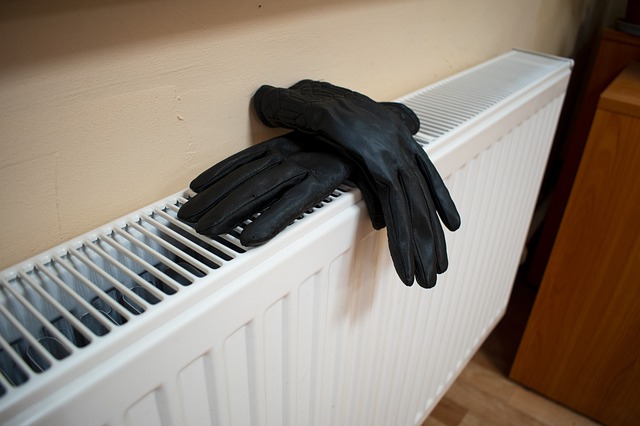
Image by Elizaveta Maximova from Pixabay
December17, 2025 - Washington, DC - The National Energy Assistance Directors’ Association (NEADA) on Monday released an updated winter outlook showing that U.S. home heating costs are projected to rise 9.2 percent this winter, about three times the overall rate of inflation, driven by surging electricity and natural gas prices and colder-than-average weather conditions.
On average, households are expected to spend $995 on heating this winter, an increase of $84 from last year. Families that rely on electricity for heating will see the steepest increases, with costs rising 12.2 percent, from $1,233 to $1,090, followed by those using natural gas which will rise by 8.4 percent from $650 to $704. Families using delivered fuels, heating oil and propane will see prices about the same as last year.
“These increases may not sound dramatic to higher-income households, but for families already struggling, they are devastating,” said Mark Wolfe, Executive Director of NEADA. “Millions of households are being pushed deeper into utility debt and closer to shutoffs simply because they cannot afford to keep their homes warm.”

Electric Prices at a 10-Year High: Adjusted for inflation, residential electricity prices in 2025 are at their highest level in a decade. Since January, the average monthly electric bill has increased by nearly10 percent, far outpacing wage growth and overall inflation. Since 2021, the average cost per kilowatt-hour has risen 27.9 percent, while the average monthly electric bill has climbed 29.2 percent.
Electricity prices continue to rise due to a combination of high interest rates driving grid financing costs, increased reliance on natural gas for power generation, surging demand from data centers, aging infrastructure, and regional capacity shortfalls.
Natural Gas Prices Surge: Natural gas prices have risen nearly 50 percent over the past year, driven in part by rapidly expanding liquefied natural gas (LNG) exports, which are increasingly tying U.S. prices to volatile global markets. The Energy Information Administration (EIA) projects LNG exports will increase 37 percent next year, further tightening domestic supply. Rising natural gas prices hit consumers through higher heating and electric bills. Natural gas provides about 40 percent of the fuel to generate electricity and provide heat to about 46 percent of households.
Oil and Propane Users Spared Price Increases: Households using heating oil and propane are expected to remain at about the same level as last year due to lower prices offset by rising consumption due to colder winter weather.
Millions at Risk of Energy Insecurity: NEADA estimates that one in six U.S. households is already behind on energy bills, owing utilities a combined $23 billion. As many as four million households could face power shutoffs in 2025, nearly 500,000 more than last year.
Low- and moderate-income families now spend 6 to 10 percent of their income on energy, three to five times the share paid by higher-income households. Even small rate increases can force families to choose between heat, food, rent, and medicine.
Safety Net Falling Short: Although $3.7 billion in LIHEAP funding was released in late November, rising prices and colder weather have sharply eroded its effectiveness. Only 17 percent of eligible households currently receive assistance, and overall LIHEAP funding has declined from $6.1 billion in 2023 to about $4 billion in 2025
NEADA is urging Congress to increase LIHEAP funding to $6.1 billion and expand investments in weatherization, grid modernization, and clean energy, while ensuring affordability protections are built into utility rate structures.
“Energy is not a luxury—it is a necessity,” Wolfe said. “The nation can modernize the grid and transition to clean energy without sacrificing affordability. No family should lose power because they cannot afford rising utility bills.”
About NEADA: The National Energy Assistance Directors Association (NEADA) represents the state directors of the Low Income Home Energy Assistance Program (LIHEAP), which helps low-income households meet their home energy needs.
Source: NEADA
