


February 5, 2026 - SACRAMENTO, CA – On Wednesday, Assemblymember Chris Rogers introduced AB 1699 - The Good Fire Act. This comprehensive legislation is designed to significantly expand California's capacity to conduct prescribed burns and cultural burning practices. The bill addresses critical operational, liability, and certification barriers that have limited the state's ability to use beneficial fire as a tool to reduce catastrophic wildfire risk and restore ecological health.
"By removing unnecessary bureaucratic obstacles and expanding liability protections, we're empowering tribes, land managers, and communities to use fire the way it has been used for millennia—as a tool for stewarding our lands and protecting our communities," said Assemblymember Chris Rogers.
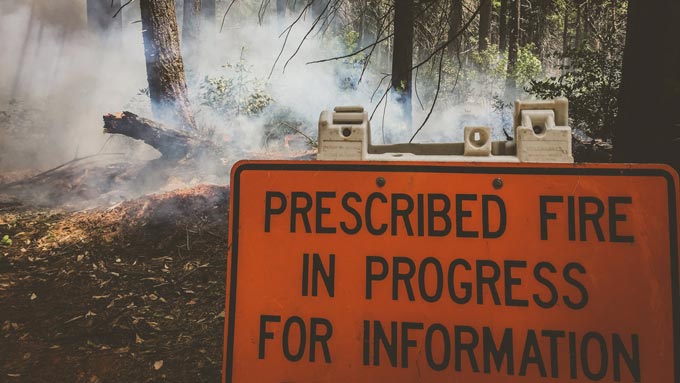
California faces an escalating wildfire crisis with millions of acres suffering from fuel build-up due to excessive fire suppression and past management. Prescribed fire and cultural burning are proven, cost-effective tools for reducing hazardous fuels, restoring ecosystems, and protecting communities. However, regulatory complexities, liability concerns, and workforce bottlenecks have prevented these practices from reaching the scale needed to address the crisis.
The Good Fire Act builds on recent executive actions by Governor Newsom that addressed some of these barriers on an emergency basis, codifying those changes into permanent law and expanding protections further.
The Good Fire Act tackles barriers across three key areas:
- Removing Operational Restrictions: The bill codifies emergency actions in Governor Newsom’s October 29 Executive Order that clarify CAL FIRE assistance on community-led burns does not trigger additional CEQA requirements, makes pre-burn inspections optional for certified burn bosses while preserving CAL FIRE's discretion to inspect when needed, and enables state grant recipients to pay overtime for prescribed fire operations.
- Addressing Liability Concerns: The legislation expands eligibility for the Prescribed Fire Liability Claims Fund to include resource conservation districts, volunteer fire departments, and tribal governments. It also eliminates the fund's 2028 sunset date and extends liability protections to retired CAL FIRE burn bosses who maintain their certifications.
- Reducing Credential Bottlenecks: The bill creates pathways for federally-trained and CAL FIRE burn bosses to obtain California Certified Burn Boss (CARX) qualifications without duplicating training, and reduces CARX recertification requirements from annual to every three years.
The legislation has garnered strong support from tribal nations, conservation organizations, and academic institutions working on prescribed fire expansion:
"Karuk people burn to care for our lands, promote biodiversity, and protect our communities, and we have done so since Time Immemorial" said Bill Tripp, Director of Natural Resources and Environmental Policy, Karuk Tribe. "Beneficial fire has not always been appropriately prioritized, but the Good Fire Act puts it front and center, recognizing that cultural burning and prescribed fire are not just land management tools—they are essential practices for ecological and cultural health. By reducing operational and regulatory barriers, and expanding liability protections afforded through the Claims Fund, this bill will enable tribes, organizations, and communities to bring more good fire back to California."
"California cannot solve the wildfire crisis without dramatically scaling up prescribed fire, and we cannot scale up without addressing the regulatory and liability barriers that prevent qualified practitioners from doing this essential work," Paul Mason, Vice President for Policy & Incentives at Pacific Forest Trust, the bill sponsor. This legislation will help unlock the full potential of California's prescribed fire workforce and facilitate the use of beneficial fire that our forests desperately need."
"California has made amazing progress on beneficial fire in recent years, piloting innovative ideas and breaking down barriers to this important work” said Lenya Quinn-Davidson Director of the University of California Agriculture and Natural Resources Fire Network. “The Good Fire Act continues that progress, fine-tuning key policies and programs and making them more expansive and more durable long-term. With this bill and all of the inspiring work that's happening throughout the state, our beneficial fire future feels increasingly within reach.”
Chris Rogers was elected to the state Assembly in 2024. As the Assemblymember for the Second Assembly District, he represents Sonoma, Mendocino, Humboldt, Del Norte and Trinity counties. Learn more about Assemblymember Rogers here.
Source: Assemblymember Chris Rogers
